
PROMAKE Case Study | Vacuum emulsifying line for peptide skincare · GMP-grade cleanroom · [4,000] L per batch | One-Stop ODM Delivery · A Partnership That Grows
Ask a growing skincare brand what is really holding it back, and you rarely hear "we need one more mixing kettle." You hear something closer to this: the formula works, the orders are coming, and when the line does not perform, nobody wants to own the answer.
Yutai, a Chinese peptide skincare brand, decided not to collect vendors. It handed the whole job to one company. PROMAKE designed and built the line on a one-stop ODM basis: process design, equipment engineering and fabrication, cleanroom coordination, installation and commissioning, operator training, and after-sales service — all inside one scope of responsibility.
This is how that delivery was structured, what it changed for the people running the plant, and why the project turned into a long-term relationship rather than a one-off purchase.
At a glance
The traditional route spreads a new line across four suppliers: the equipment maker, the piping contractor, the cleanroom panel supplier and the packaging vendor. Each one is competent. Each one also has a scope boundary, and the boundary is exactly where problems land. When something goes wrong, the discussion starts and the production schedule pays for it.
Under one-stop ODM delivery, PROMAKE is not a machine vendor bolted onto your project. It is the builder of the whole line:
One thing is easy to overlook: responsiveness on site usually comes from local people. PROMAKE works with its dealers and engineering agents in the region — they handle site coordination and routine inspections close to the plant. PROMAKE carries the technical responsibility for the line; the local partner carries the speed of response. Together, that is what a complete delivery looks like.
For Yutai, the practical result was a start-up date that could be committed to, acceptance criteria in writing, and exactly one party to call.
The PROMAKE Solution
Vacuum emulsifying heart of the line
At the center sits a PROMAKE vacuum emulsifier with top lifting, a high-shear homogenizer, and a scraper agitator. Under vacuum, the oil and water phases are mixed and de-aerated in one vessel — no open pouring, no trapped bubbles — which is exactly what stable, silky peptide serums require. Temperature, vacuum, and agitator speed are set from an integrated panel, so every batch reproduces the same texture (Fig. 3).
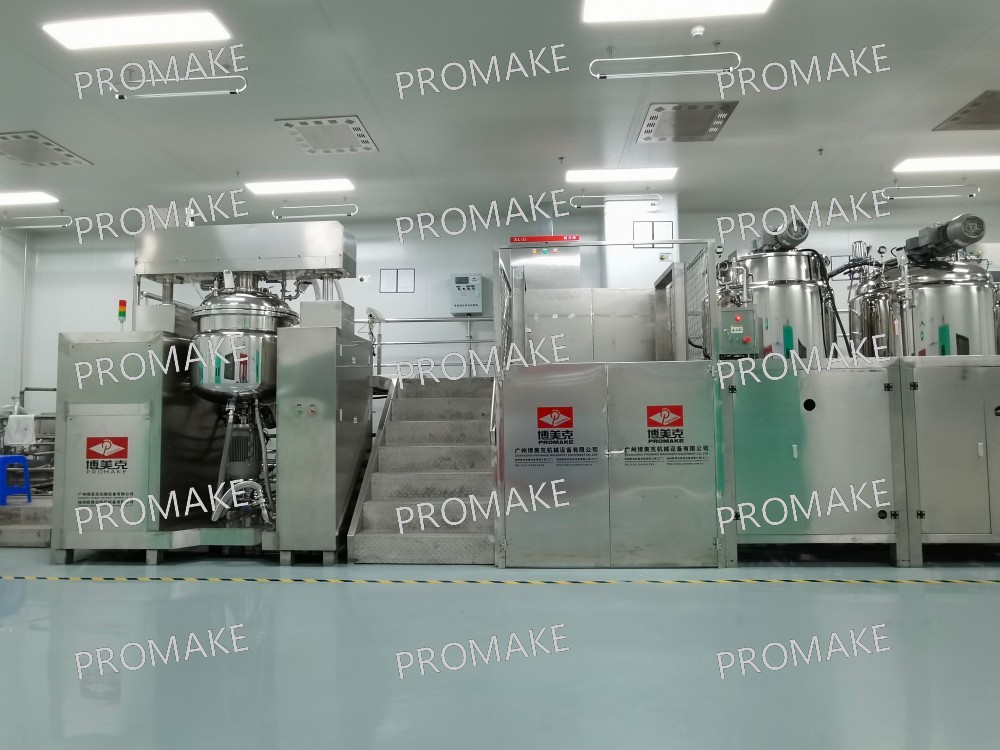
Fig.3 The vacuum emulsifying main unit with access staircase
Storage and premix tank farm
A bank of mirror-polished stainless tanks sits on a raised platform for oil-phase and water-phase premixing, heating, and intermediate holding. Sanitary pumps and flexible hoses move phases into the emulsifier automatically, cutting manual handling and cross-contamination risk (Fig. 1–2).
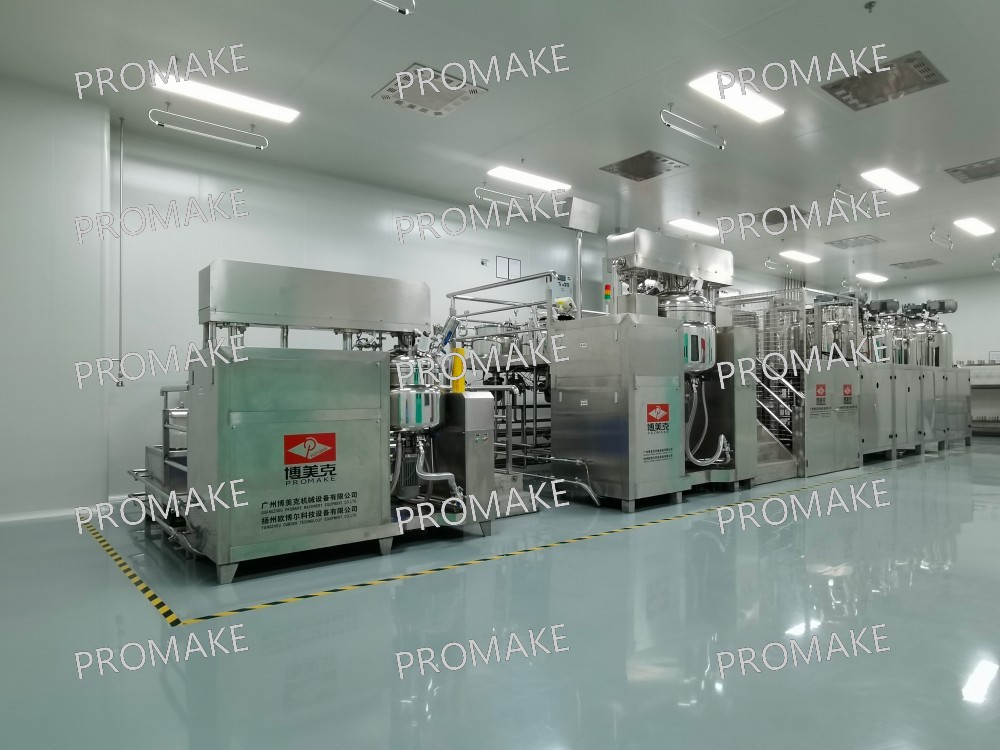
Fig.1 The PROMAKE vacuum emulsification line in a GMP-style cleanroom
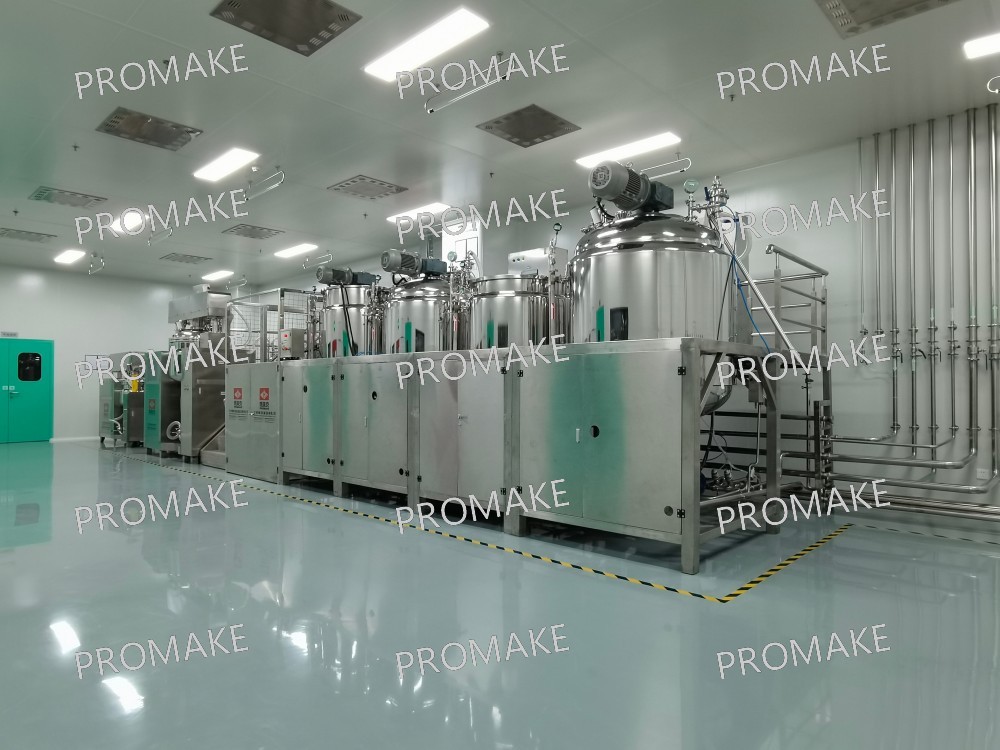
Fig.2 Stainless storage and holding tanks on a raised platform
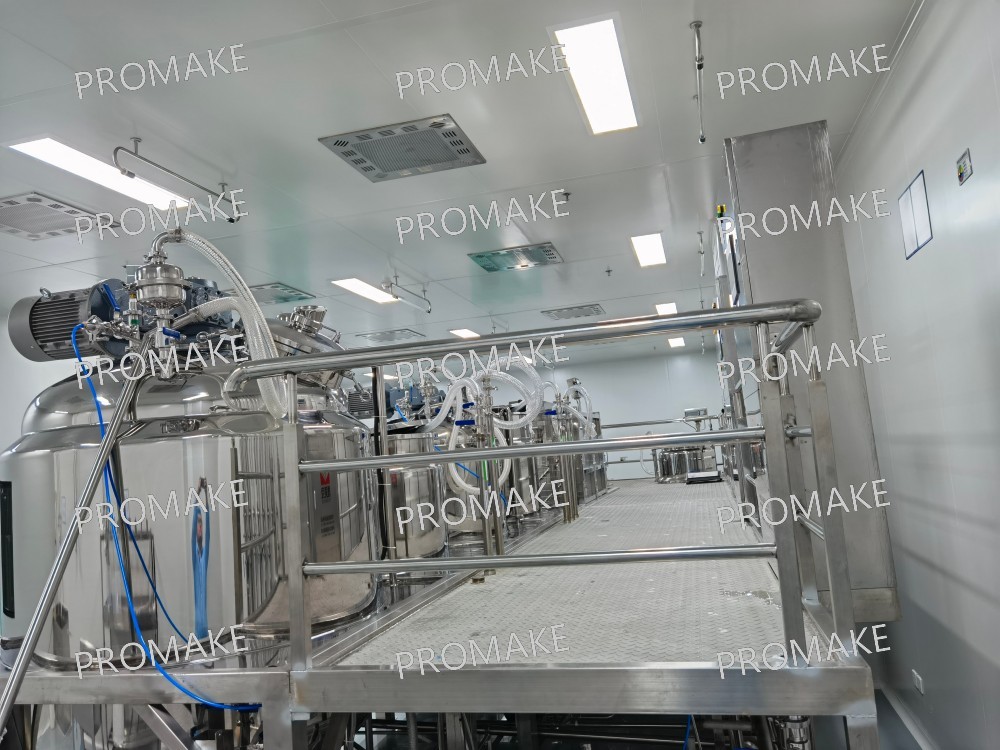
Fig.4 High-level operating platform and process piping
Closed transfer and cleanable design
All product-wetted parts are sanitary stainless with clamp connections, and the high platform gives full access for inspection and CIP-style rinsing. Glossy epoxy flooring and marked walkways keep the room clean and auditable (Fig. 4).
Packaging end
Downstream, stainless workbenches and pass-through windows support filling and inspection, while a shrink tunnel and conveyor close out the line — taking the product from emulsification to finished pack in one connected flow (Fig. 5–6).
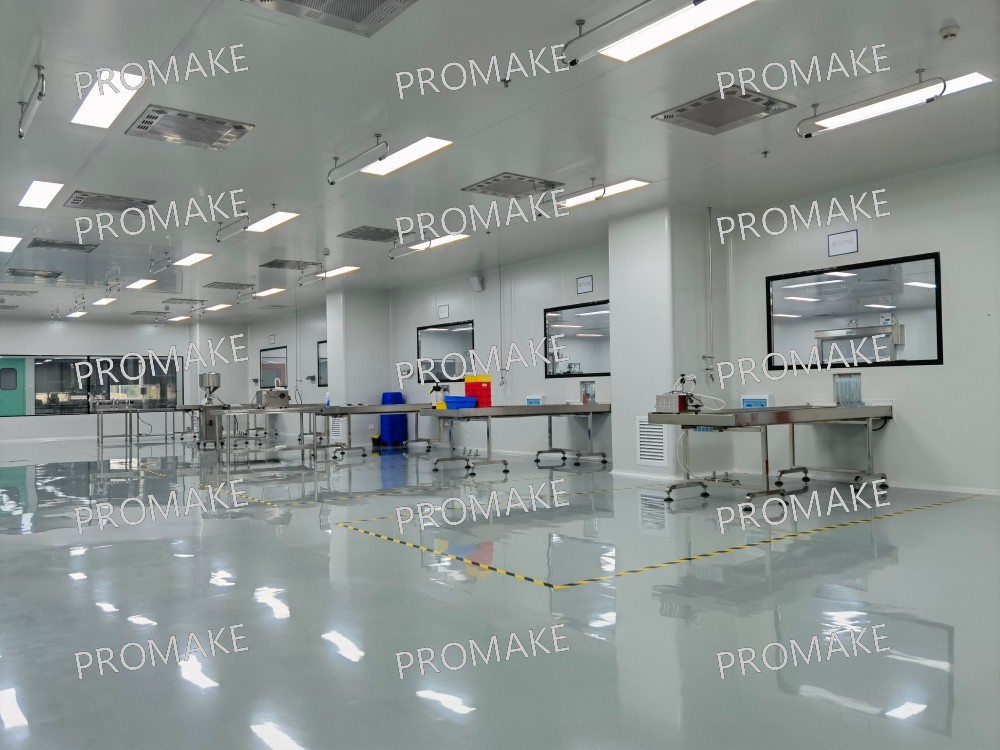
Fig.5 Packaging and inspection benches with pass-through windows
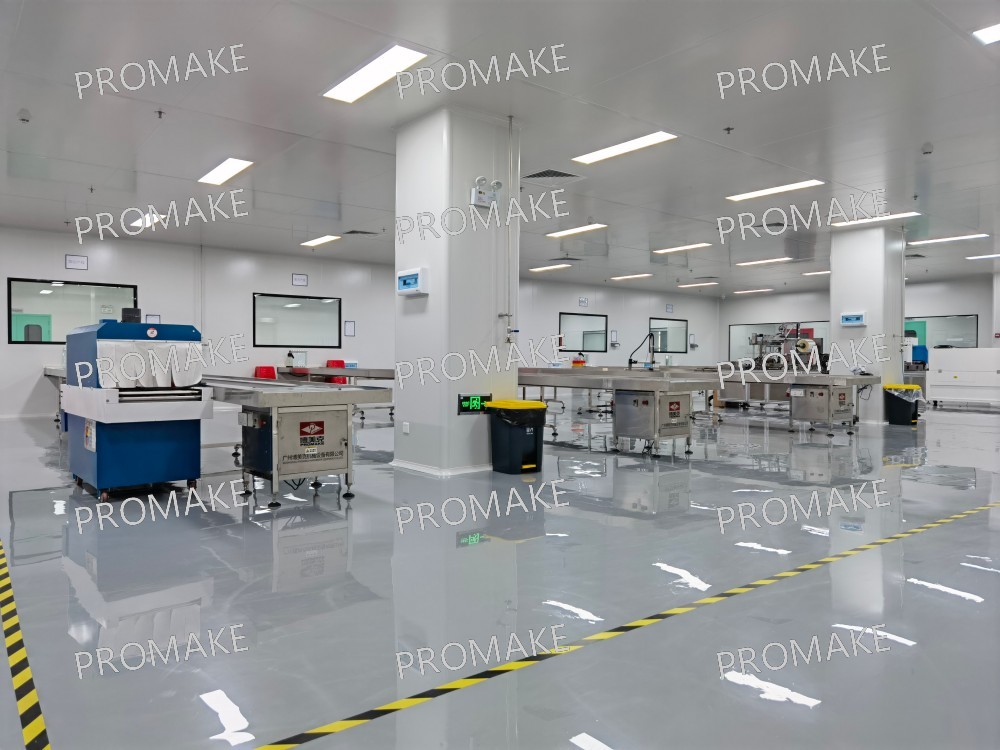
Fig.6 End-of-line shrink tunnel and conveyor
How a line is installed decides how it behaves for the rest of its life. PROMAKE manages installation as a project in its own right, not as "deliver and position."
Before anything ships, engineers verify the hall item by item: floor load capacity and protection of the finished epoxy coating, water, drainage and power interface positions, and whether cleanroom pressure differentials and air distribution match the layout drawing. Anything that does not match is corrected before the equipment arrives. The project does not start with an open question.
Installation then follows a fixed sequence: positioning and leveling → operating platform and guardrails → process piping and valve connections → electrical and control wiring → dry-run testing of individual units → full-line trial with real material.
Note that the trial run is not an empty spin. It validates the actual process — emulsifying temperature curve, vacuum level and homogenizing performance — against Yutai's targets. Only when the numbers hold does acceptance begin.
For Yutai, this is what removes the gray zone. There is no "we will see how it runs after it is installed."
Whether a line produces good batches consistently depends half on the equipment and half on the people operating it. PROMAKE treats operator training as a required deliverable: hands-on, alongside the line, with a competency check before handover — not a manual left on the bench.
The training covers every step of a production batch:
None of this costs extra production time. Yutai's operators started working alongside the engineers during the trial phase, so by the time the line was handed over, the team could already run the full sequence from charging to finished product on its own.
Peptide actives are gentle and expensive. They dislike air and they dislike heat. Quality control therefore cannot be a final inspection step; it has to be designed into the equipment itself:
For the people running a plant, "peace of mind" comes down to three simple questions: will someone answer when it breaks, can we actually buy spare parts, and can we add capacity without tearing the room apart. On the Yutai project, all three were addressed up front:
Every product format Yutai sells maps to a specific stage on the line:
|
What Yutai sells |
Typical products |
The PROMAKE stage that handles it |
|
Serums and essences |
Oligopeptide repair serum, hexapeptide firming essence |
Vacuum deaeration with low-speed agitation in the emulsifier; closed holding in the tank farm |
|
Lotions and creams |
Peptide revitalizing lotion, repair cream |
Oil-phase and water-phase homogenizing in the emulsifier, with wall-scraping agitation holding temperature throughout |
|
Mask formats |
Peptide ampoule media, wash-off masks |
Premix and heating in the water-phase dissolving tank; closed transfer by hygienic pump |
|
Cleansers and body care |
Amino-acid cleanser, peptide body care products |
Blending in the tank farm at low speed and low foam, pumped to the packaging section |
|
Packaged goods |
Serum bottles, tubes, carton packs |
Inspection bench and pass-through window; shrink-wrapper and conveyor for cartoning |
Every stage in that table was designed and built by PROMAKE as one system, planned together with Yutai's cleanroom and building conditions. That is what "one-stop" means in practice: the client never has to translate its requirements between an equipment maker, a construction crew and a piping supplier.
One-stop delivery is only the starting point. What turns a project into a long-term relationship is that all three parties grow on the same job.
For Yutai: the plant moved from small manual and semi-manual batches, with batch quality guarded by experienced hands, to a full vacuum emulsifying line running [4,000] L per batch, where consistency is carried by the equipment and its settings. When equipment capability rises, the product range has somewhere to go.
For the local dealer and engineering agent: the team moved from mostly single-machine sales and ad-hoc installation to taking part in full-line selection, cleanroom coordination and local after-sales. Walking one turnkey project from start to finish changes a team's technical depth, its service radius and its standing in a negotiation.
For PROMAKE: every delivery adds standardized modules, process parameter templates and training material to the library, which the local partners then carry into the next project. Stronger partners mean faster response for the next client.
That is the shared growth the project was built around — from doing a bit of everything to doing one thing properly and precisely. Equipment depreciates. A partnership that grows together does not.
|
Who |
Where they started |
What this project changed |
What comes next |
|
Yutai (the client) |
Small manual and semi-manual batches, batch quality guarded by experienced hands |
A full vacuum emulsifying line running [4,000] L per batch, with consistency carried by equipment and settings |
Add another emulsifying host inside the existing hall and push single-batch capacity toward [ ] L |
|
Local dealer / engineering agent |
Mostly single-machine sales and ad-hoc installation |
Took part in full-line selection, cleanroom coordination and local after-sales |
Larger turnkey projects and spare-parts service |
|
PROMAKE |
Supplied individual machines and equipment packages |
Delivers whole-line design, process templates and training systems |
Replicate the standard modules into more regions and industries |
The bottom line
In closing
Installation with an owner, operators trained until they are confident, quality engineered into the structure, maintenance handled before it becomes urgent, and partners who grow with the project — that is the whole case for the way Yutai bought this line.
If you are planning an emulsifying, mixing or packaging line of your own, visit PROMAKE at https://promakemachinery.com, or contact our engineering team and your local dealer or engineering agent for a free process assessment and line-layout recommendation.
